Men's Health


The truth is, men are often known to be more indifferent towards their health when compared to the efforts of women, who proactively and publicly address their health issues. As a result, today the levels of awareness, understanding and funding for men’s health issues, like prostate cancer and men’s mental health, lag significantly behind other causes.

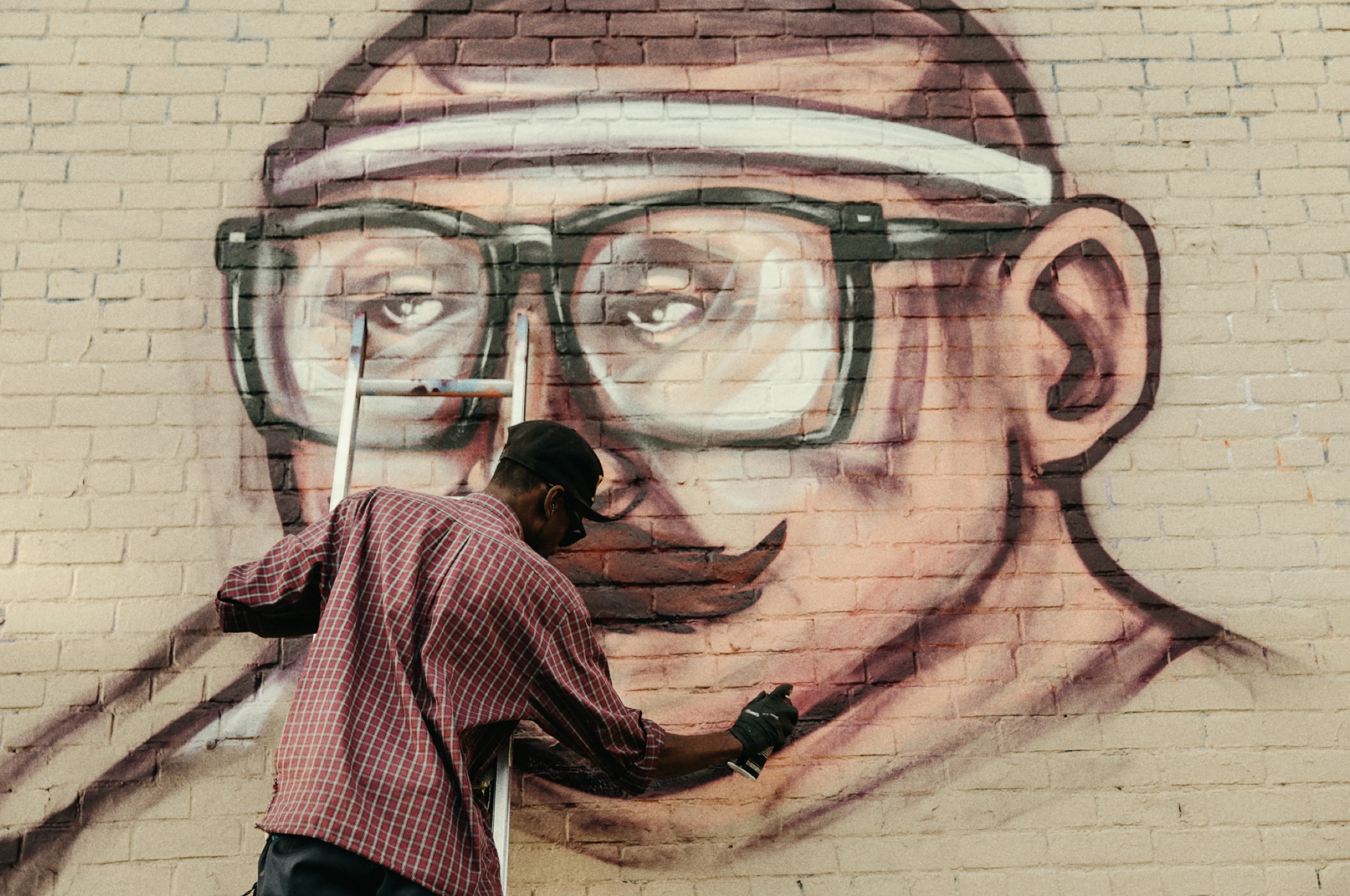
Movember aims to change the face of men’s health and reverse this way of thinking by putting a fun twist on a serious issue. Using the moustache as a catalyst, we want to bring about change and give men the opportunity and confidence to talk about their health more openly.

Movember's primary campaign objective is to raise awareness and funds for men's health issues, specifically prostate and men's mental health. We want everyone to know that most cancers are highly curable if caught in the early stages therefore Movember aims to increase early detection, diagnosis and effective treatment. This will ultimately reduce the number of deaths from cancer.


CANCER
  • It is expected 1 in 2 Australian men will be diagnosed with cancer by the age of 85.
  • 1 in 9 men in Australia will develop prostate cancer in their lifetime.
  • Prostate cancer is the second-most common cause of cancer-related death amongst Australian men - each year in Australia, close to 3,300 men die of prostate cancer which is equal to the number of women who die from breast cancer annually.
  • In 2007, testicular cancer was the second most common cancer among young men between 20 and 39.
  • On average, 13 men and 8 women die from lung cancer every day in Australia.
  • Tobacco smoking is the largest single risk factor for lung cancer in Australia, and is responsible for about 90% of lung cancers in males and 65% in females.
  • While not as common, men can get breast cancer. The number of men diagnosed with breast cancer in Australia increased from 62 in 1982, to 103 in 2007.
  • Australia has one of the highest incidences of skin cancer in the world, at nearly four times the rates in Canada, the US and the UK.
  • The rate of melanoma incidence in Australian men rose by 18.7% between 1993 and 2003.
  • It is estimated that at least one in three cancer cases in Australia can be prevented. Smoking, sun exposure, poor diet, alcohol consumption and inadequate physical activity are significant risk factors, which can be modified.
  • For males, prostate cancer is expected to remain the most common cancer diagnosed in 2020 (25,300 cases), followed by bowel cancer and melanoma of the skin (about 10,800 cases each) and lung cancer (7,500 cases).

BLOOD PRESSURE
  • In 2000, around 3.7 million Australians over the age of 25 have high blood pressure or were on medication for that condition. This equates to 32% of men.


DIABETES
  • In Australia, nearly two thirds of men are overweight or obese, leading them to experience a higher incidence of diabetes than females and increasing their risk of developing type 2 diabetes.


DEPRESSION AND ANXIETY
  • Around one in eight Australian men suffer from depression at any given time.
  • Four times more young men than young women died by suicide.
  • In the past 30 years, the suicide rate for males aged 15 to 24 years tripled.
  • 24% of men are less likely to go to the doctor compared to women.
The reasons for the poor state of men’s health in Australia and around the world are numerous and complex and this is primarily due to a lack of awareness of the health issues men face. This can largely be attributed to the reluctance of men to openly discussing the subject due to longstanding traditions, coupled with an ‘it’ll be alright’ attitude. Men are less likely to schedule doctor appointments when they feel ill or for an annual physical, thereby denying themselves the chance of early detection and effective treatment of common diseases.   

Studies show that many men don’t get regular health checks for the following reasons:
  • Fear it will lead to a hospital visit
  • Embarrassed to discuss their health issues
  • Find it too hard to see a doctor because they just can’t fit it into their schedule
  • Just can’t be bothered making an appointment
Statistics show that, on average, men die at a younger age than women. That said, despite trailing the women’s health movement, things are beginning to change, but much more progress needs to be made to close the gap between the state of men and women’s health.  Established taboos and barriers relating to men’s health are gradually being broken down.

Maintaining healthy lifestyle choices, a good diet and getting regular medical check-ups and screening tests can dramatically influence your health. Regardless of age, keep your health in check by doing the following:


HAVE AN ANNUAL PHYSICAL
Find a doctor and make a yearly appointment each Movember for a general health check.  Getting annual checkups, preventative screening tests and immunisations are among the most important things you can do to stay healthy.

KNOW YOUR FAMILY HEALTH HISTORY
Family history is one of the most powerful tools to understanding your health. Family history affects your level of risk for cancer, diabetes, heart disease and stroke, among other illnesses. It all starts with a conversation, talk to your family and take note of illnesses that a direct relative has experienced. Be sure to learn about relatives that are deceased as well.  

DON’T SMOKE!
If you do smoke, stop! It is estimated that active smoking is responsible for 88% of all lung cancer deaths in Australian men aged over 35.

BE PHYSICALLY ACTIVE
If you are not already doing some form of exercise, start small and work up to a minimum of 30 minutes of moderate physical activity most days of the week. Stay on the move throughout the day; long periods of sitting increases your risk for disease. Every little bit counts – take the stairs instead of the elevator or take a walk during your lunch break.

SLEEP WELL
The quality of your sleep can dictate how much you eat, how fast your metabolism runs, how fat or think you are, how well you can fight off infections, and how well you can cope with stress. Keep a regular pattern of sleep, going to bed and waking up at roughly the same time is key.
EAT A HEALTHY DIET
Fill up with fruits, vegetables, whole grains and choose healthy proteins like lean meats, poultry, fish, beans and nuts. Eat foods low in saturated fats, trans fats, cholesterol, salt and added sugars. Moderation is key, as is eating a wide range of foods to ensure you get a variety of nutrients. The best source of vitamins is from food.

STAY AT A HEALTHY WEIGHT
More than half of the Australian population are either overweight or obese. Obesity and being overweight pose a major risk for chronic diseases, including type 2 diabetes, cardiovascular disease, hypertension, stroke and certain cancers. Balance calories from foods and beverages with calories you burn off by physical activities.

MANAGE YOUR STRESS
Stress, particularly long-term stress, can be the factor in the onset or worsening of ill health. Managing your stress is essential to your health & well-being. Take ‘time out’ each day and go for a walk or do something you find relaxing.

DRINK ALCOHOL ONLY IN MODERATION
Alcohol can be part of a healthy balanced diet, but only if consumed in moderation. This means no more than two drinks a day. A standard drink is a can or stubbie of mid strength beer (up to 375 ml) or a 30 ml nip of spirits (37 to 40%).


For Movember’s sources, please email: info@movember.com


    Download the men's health poster here.

Read up on all the latest news and highlights from Movember & Sons.
Grow, show and connect with your fellow Mo's.
Check out the Mo fundraising totals from around the world.
Gear up with some Movember merchandise.
The quality of your health starts with you. Find out more.